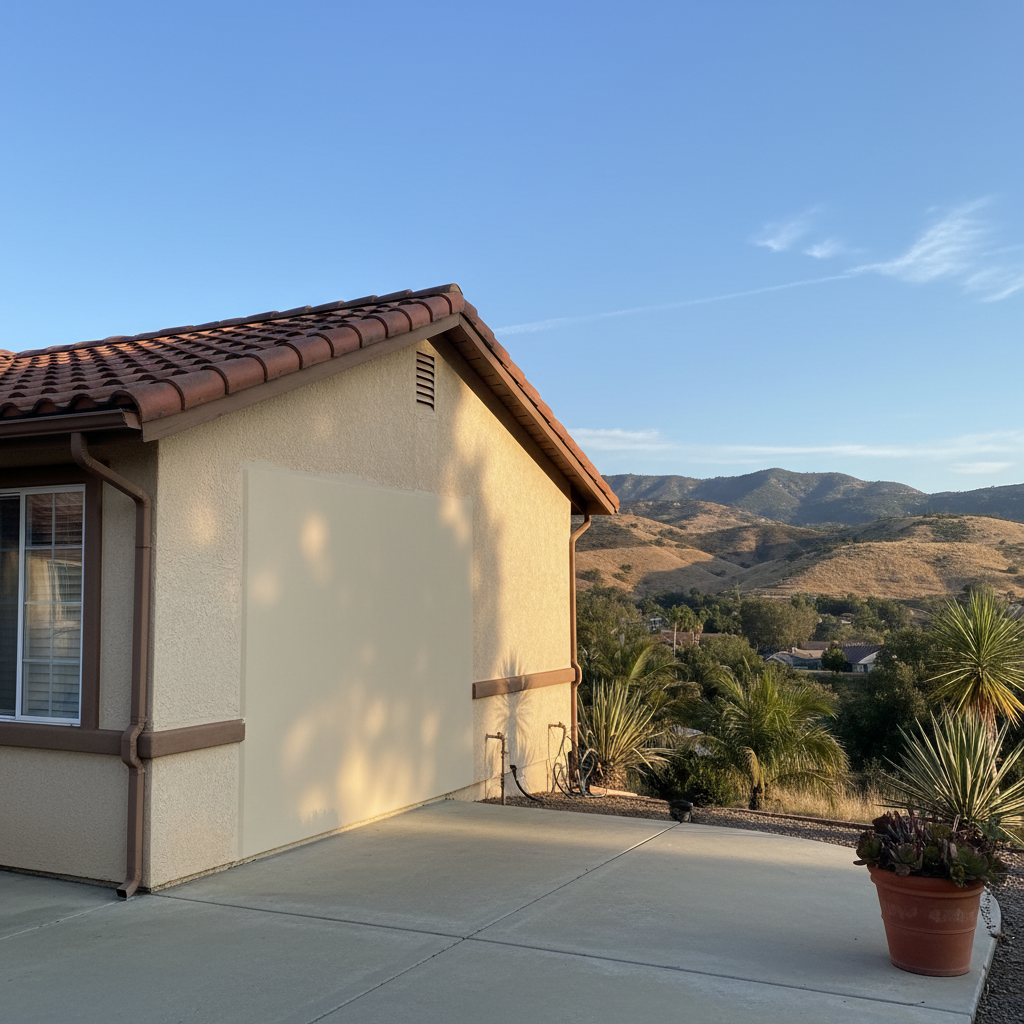
Alright, let's talk about stucco and the seasons right here in Chino Hills. I get a ton of calls from folks, you know, asking about the best time to fix a crack or when they should really be thinking about maintenance. It's not just about when you've got a free weekend; our local weather really dictates how well stucco work turns out and, frankly, how long it lasts.
Your Stucco and Chino Hills Weather: What You Need to Know
You know how it is around here – we bake in those hot, dry summers, and then our winters can get surprisingly wet. Plus, those Santa Ana winds? They love kicking up dust and debris. This isn't just background noise; it directly impacts your stucco. Wild temperature swings make things expand and contract, which can lead to those tiny hairline cracks. Then, when the rain comes, those cracks become perfect little entry points for moisture. That's when you start seeing bigger problems like efflorescence or, if you let it go too long, even delamination.
I've seen plenty of homes, especially up in the hills around Grand Avenue, where the stucco really takes a beating from the sun. The south and west-facing walls are always the first to show wear and tear – fading, cracking. It's just the nature of the beast with our climate, isn't it?
When's the Best Time for Stucco Repair?
Honestly, the sweet spot for most stucco repairs, particularly the bigger jobs or re-dashing projects, is during the spring or fall. Here's why:
- Spring (March to May): Temperatures are usually mild then – not too hot, not too cold. This is perfect for stucco to cure properly. You avoid the intense summer heat that can dry out the mix too fast, and generally, you're past the heaviest winter rains that might wash away fresh work.
- Fall (September to November): Much like spring, the weather tends to cooperate. You're past the peak summer heat, and often before the significant winter storms start rolling in. The cooler, drier air really helps with a good, steady cure.
Now, can you do stucco work in the summer or winter? Sure, but it comes with its own set of challenges. In summer, we have to be super careful with hydration, sometimes even misting the stucco to make sure it doesn't dry too quickly – that can actually weaken it. In winter, rain is the main enemy. You absolutely can't apply stucco in the rain, and it needs a good 24-48 hours (or sometimes more, depending on the mix) to dry before it gets wet. This means more tarping, more scheduling headaches, and, let's be honest, sometimes delays.
Year-Round Protection for Your Stucco Investment
You've put good money into your home, and your stucco is a huge part of its curb appeal and protection. Here's what I tell my clients to do all year long to keep it in top shape:
Regular Inspections: Walk around your house a couple of times a year. Look for any new cracks, especially around windows and doors, or wherever different materials meet. Check for discoloration or bubbling; those can be signs of water getting in. Catching things early is key to stopping small issues from turning into expensive headaches.
Keep it Clean: Dust, dirt, and even mildew can build up, particularly on north-facing walls that don't get as much sun. A gentle rinse with a garden hose often works wonders. For tougher spots, a soft brush and some mild detergent (like dish soap) will usually do the trick. Just don't blast it with a high-pressure washer; you can damage the finish or force water into places it shouldn't go.
Manage Water: This is a big one. Make sure your gutters are clean and directing water away from your foundation. Check your sprinklers – are they constantly spraying your stucco? That steady moisture can lead to staining, mildew, and eventually, stucco failure. I've seen so many problems caused by irrigation systems aimed directly at a wall.
Address Cracks Promptly: If you spot a crack, especially one wider than a credit card, don't just ignore it. It's an open invitation for water. Sometimes a simple caulk made for stucco can seal it up, but for anything more significant, you're better off calling in a pro like us at Charis Stucco Co. We can assess the crack and fix it correctly, matching the texture and color so it blends right in.
Trim Back Vegetation: Trees and shrubs growing too close to your house can rub against the stucco, causing abrasion. They also hold moisture against the wall and can block sunlight, which encourages mildew growth. Keep them trimmed a few inches away from your home's exterior.
Taking these steps throughout the year will not only keep your Chino Hills home looking sharp but also save you money on bigger repairs down the line. It's all about being proactive and understanding how our local environment interacts with your home's exterior.