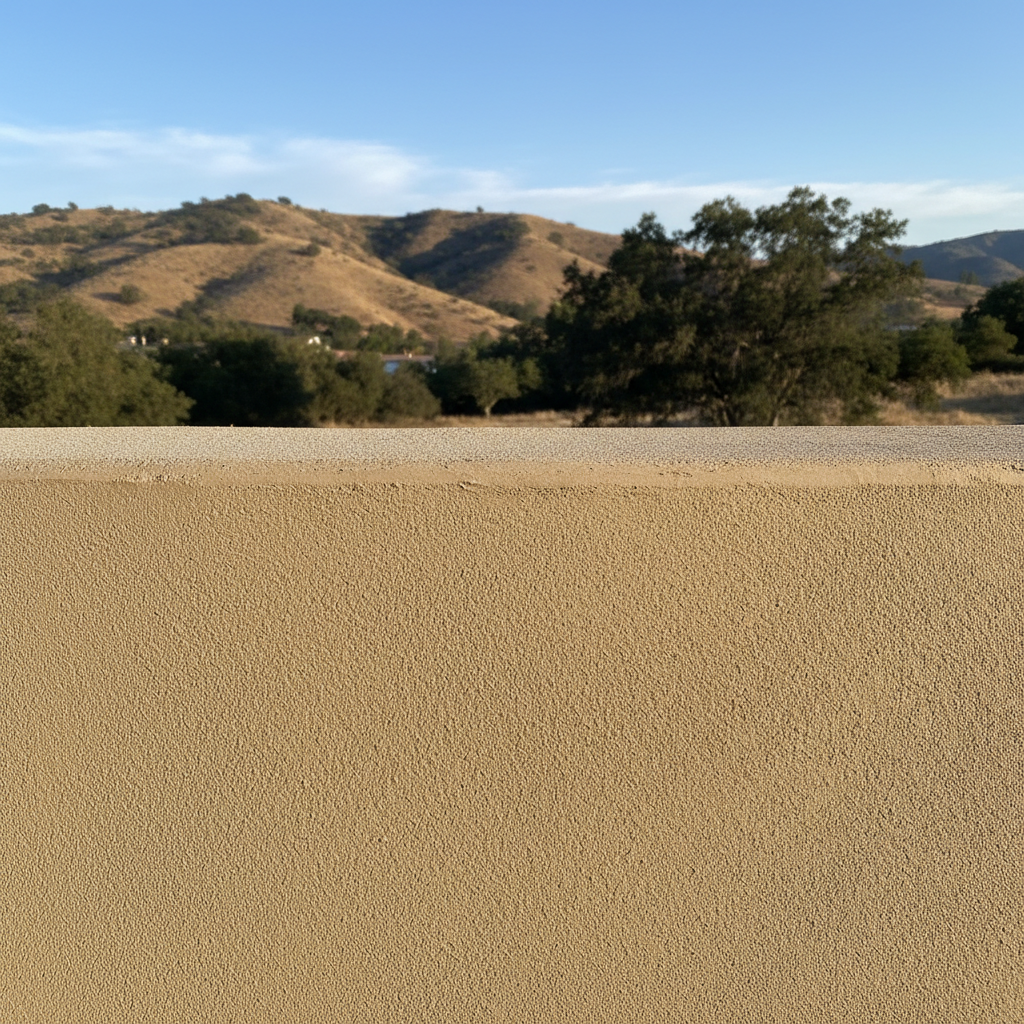
Alright, let's talk about stucco redashing. I get a lot of questions about this from folks all over Chino Hills, from the newer homes up in Vellano to the older, more established places down by Grand Ave. It's a big decision for your home, and you really want to get it right. So, I've put together answers to the questions I hear most often. No fluff, just what you need to know.
What exactly is stucco redashing? Is it just a fancy word for repair?
No, it's not just a fancy word for repair, though repairs are often part of the process. Think of redashing as giving your home a brand new skin, but without tearing off the old one completely. We're applying a fresh layer of stucco, usually a finish coat, right over your existing, sound stucco. This isn't a full re-stucco where we strip everything down to the sheathing. Redashing is for when the existing stucco is generally solid but looks tired, has minor surface cracks, or you just want a fresh look or color. Pretty straightforward, right?
How do I know if my stucco needs redashing or a full replacement?
This is probably the most common question I get. If your stucco has widespread, deep cracks — especially spiderweb patterns that go through multiple layers — or if you see bulging, soft spots, or water intrusion issues, then redashing probably isn't enough. Those are signs of bigger problems, often with the underlying lath or moisture barrier, and you'd be looking at a full tear-off and re-stucco. But if it's mostly cosmetic — fading, minor hairline cracks, or just an outdated texture — redashing can be a perfect fit. I always recommend a thorough inspection first; we can tell you what's going on underneath.
Can redashing fix all types of cracks?
Not all of them, no. Redashing is great for covering up those small, hairline cracks that are just on the surface. These usually come from normal aging, minor settling, or temperature fluctuations. We'll typically clean and prep the surface, fill any larger, isolated cracks, and then apply the new finish coat. But if you have structural cracks, continuous cracks that run from top to bottom, or cracks that are wider than a credit card, redashing won't solve the underlying issue. You need to address the root cause of those cracks first, which often means more extensive repair work.
What kind of textures and colors can I get with redashing?
You've got a lot of options here, which is one of the cool things about redashing. Since we're applying a new finish coat, you can completely change your home's texture and color. Want to go from a smooth finish to a sand finish? Or from a Santa Barbara to a dash finish? No problem. We can match existing textures if you're just doing a section, or give your whole house a fresh, modern look. As for colors, the sky's pretty much the limit. We use high-quality stucco finishes that come in a huge range of colors, so you can pick something that really pops or blends in perfectly with the Chino Hills landscape.
How long does a redashing project usually take?
The timeline really depends on your home's size and the job's complexity. For an average-sized home here in Chino Hills, you're usually looking at anywhere from a few days to a week or two. That includes prep work, any minor repairs, applying the new finish, and cleanup. Weather plays a big role too; you can't rush stucco application, especially with our occasional high heat or unexpected rain. We always make sure the conditions are right for the stucco to cure properly, which means a durable, long-lasting finish for your home.
Is redashing a good investment for my home's value?
Absolutely, it can be a fantastic investment. Think about it: your home's exterior is the first thing anyone sees. A fresh, clean, and updated stucco finish dramatically improves your home's curb appeal. If you're planning to sell, it can definitely help you get a better price and make your home stand out in the market. Even if you're staying put, it protects your home, makes it look great, and you get to enjoy it every day. It's a cost-effective way to revitalize your home's exterior without the expense of a full re-stucco.
What should I look for in a contractor for a redashing job?
You want someone who specializes in stucco, not just a general handyman. Look for a contractor with a solid track record, good reviews, and who's licensed and insured here in California. Ask for references and check out their past work. A good contractor will come out, do a thorough inspection, and give you a detailed, written estimate that breaks down the scope of work, materials, and costs. They should be able to explain the process clearly and answer all your questions. At Charis Stucco Co, we pride ourselves on transparency and quality, making sure you know exactly what you're getting.