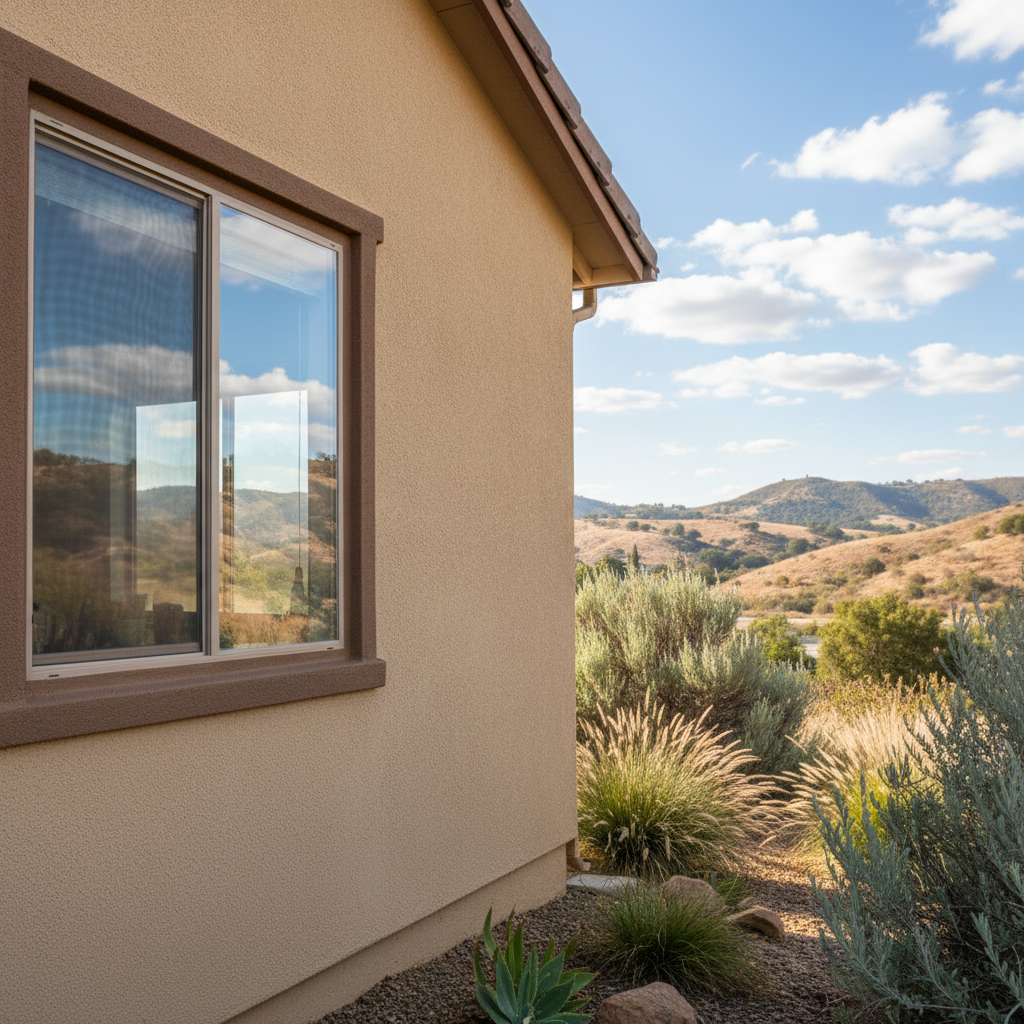
You've got stucco on your Chino Hills home, and you want it to look good and last a long time, right? That's what I hear from folks all the time. Stucco's a fantastic, durable finish for our Southern California weather, but it's not a "set it and forget it" kind of deal. A little regular attention goes a long way in keeping it in top shape and, honestly, avoiding bigger headaches down the road.
Making Your Stucco Last Longer
The biggest thing you can do to make your stucco last is pretty simple: keep it clean and keep it dry. Sounds basic, sure, but it's really the truth. Our dry, hot summers here in Chino Hills are great for stucco, but we still get those occasional heavy rains and, more often, sprinkler overspray or even just dew. Water is stucco's number one enemy if it gets trapped behind the finish.
First, think about your landscaping. Are plants, bushes, or trees growing right up against your stucco? They trap moisture, block sunlight from drying the wall, and can even rub against the surface, causing damage. Keep everything trimmed back a good 6-12 inches from the wall. This lets air circulate and sunlight hit the stucco, helping it dry out after any moisture exposure. It's a small change that makes a big difference.
Also, check your sprinklers. I've seen so many homes where sprinklers are constantly hitting the stucco, especially on those lower foundation bands. That constant wetting and drying, particularly with our hard water, can lead to mineral deposits and eventually weaken the stucco. Adjust those heads so they're watering your plants, not your house.
Finally, make sure your gutters and downspouts are clean and directing water away from your foundation. If water's overflowing or dumping right next to the house, it's soaking the ground. That moisture can then wick up into the stucco or cause foundation issues that stress the walls. Simple stuff, but absolutely crucial.
Regular Maintenance: What You Should Do
Alright, so what does 'regular' actually mean? For most Chino Hills homes, a good visual inspection a couple of times a year is smart. Just walk around your house, really look at the walls.
- Cleaning: If you spot dirt, cobwebs, or mildew – especially on north-facing walls that don't get much sun – it's time for a wash. A gentle wash with a garden hose and a soft brush is usually all you need. For tougher spots, a mild detergent (like dish soap) and water can work. Just make sure to rinse thoroughly. Avoid high-pressure washers unless you really know what you're doing, because you can easily damage the stucco surface and even force water behind it.
- Caulking: Check around windows, doors, and where the stucco meets other materials like trim or fascia. Caulk dries out, cracks, and shrinks over time, especially with our intense sun. If you see cracks or gaps, clean out the old caulk and apply a fresh bead of good quality, exterior-grade sealant. This is a critical barrier against water intrusion.
- Paint Condition: If your stucco is painted, check for peeling, bubbling, or fading. Good paint acts as an extra layer of protection. If it's failing, it's not doing its job.
Warning Signs of Stucco Problems
This is where you need to be a detective. Catching these early can save you a lot of money and hassle.
- Cracks: Not all cracks are bad, but you need to pay attention. Hairline cracks are pretty common and usually just surface-level. But if you see cracks that are wider than a credit card, or if they run horizontally or vertically for several feet, or form a stair-step pattern, those are red flags. They can indicate structural movement or water damage behind the stucco.
- Stains: Dark streaks, especially below windows or along the roofline, often mean water is getting in somewhere. Green or black patches could be mildew or algae from constant moisture. Rust-colored stains might mean a metal component is corroding behind the stucco.
- Bulges or Soft Spots: If you push on the stucco and it feels soft, or if you see a part of the wall bulging out, that's a serious sign of water damage. It means the lath or sheathing underneath is probably rotting.
- Efflorescence: This is that white, powdery substance you sometimes see on stucco. It's mineral salts leaching out as water evaporates from the wall. It indicates water is getting into the stucco and then evaporating, leaving the salts behind. It's a clear sign of a moisture problem.
When to Call a Professional
Look, I'm all for DIY, but some things are best left to the pros. If you see any of those serious warning signs – wide cracks, bulges, persistent staining, or efflorescence – it's time to call someone like us at Charis Stucco Co. Don't wait. Water damage gets worse, and more expensive, the longer you ignore it.
You should also call a professional if you're not comfortable doing the repairs yourself, or if the damage is extensive. Trying to patch a big crack or repair a soft spot without knowing the underlying cause can just hide the problem and make it worse. We've got the tools and the experience to properly diagnose the issue, fix the underlying problem, and then repair the stucco so it blends perfectly and protects your home for years to come. Your home's exterior is its first line of defense, so keeping that stucco healthy is a smart investment.