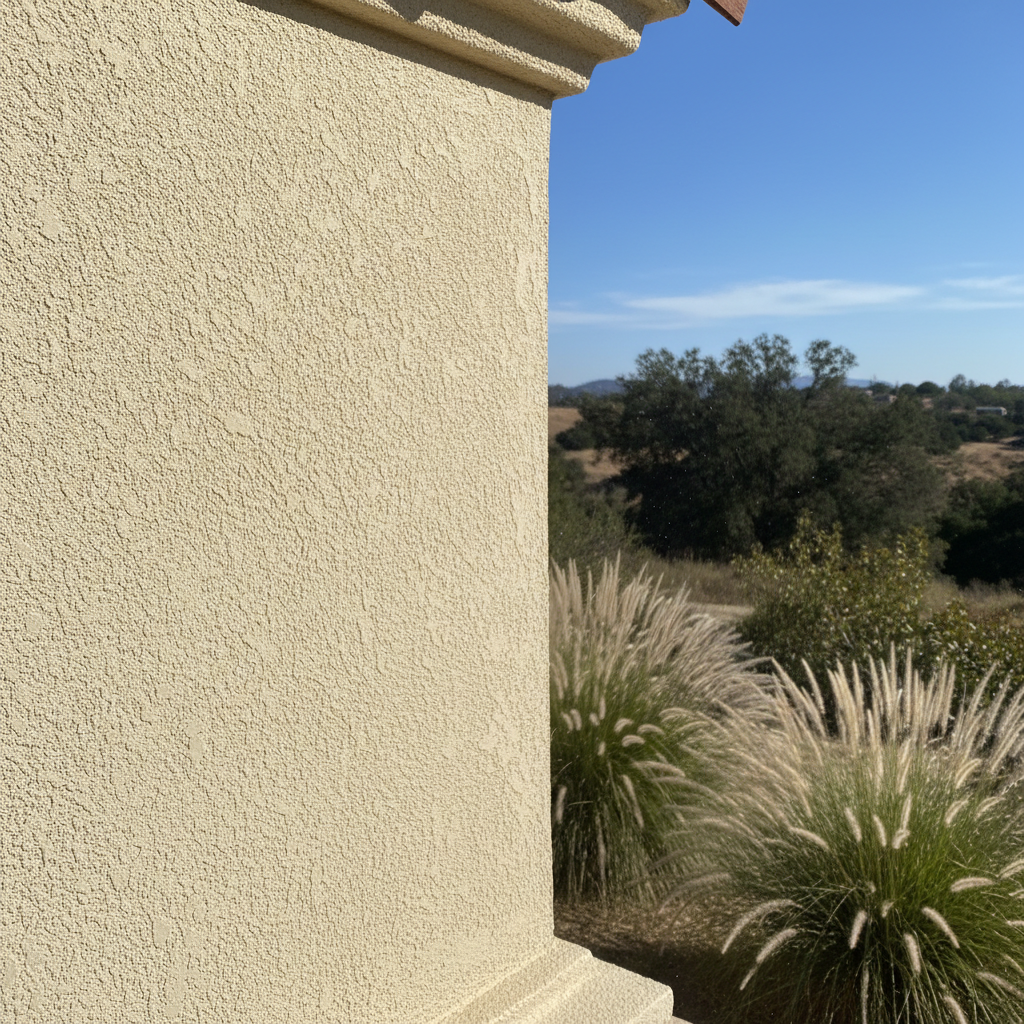
What's the deal with stucco and moisture? Is it really a problem?
Okay, let's get this straight right off the bat: stucco itself isn't inherently bad when it comes to moisture. Nope. It's actually a super durable, weather-resistant material. The problems usually start when someone doesn't install it correctly, or when something else fails, like the flashing around your windows or doors, or maybe you've got roof leaks. Think of it this way: a well-done stucco system is like a rain jacket for your house. It's built to shed water. But if that jacket has holes, or if the seams aren't sealed properly, water's gonna find its way in. That's when you start seeing issues like rot, mold, or efflorescence (those white salt deposits) on your walls.
Here in Chino Hills, especially with our occasional heavy rains after long dry spells, proper drainage and flashing are absolutely critical. We've got homes built on slopes, some with those beautiful but sometimes tricky architectural details, and if the water isn't directed away from the stucco, you're just asking for trouble. It's not the stucco's fault, though; it's usually a construction or maintenance oversight.
How long should my stucco last? What's its lifespan?
When it's done right, traditional three-coat stucco can last a really long time – I'm talking 50 years or more. I've seen homes around the Butterfield Ranch area with original stucco that's still holding up great, just needing a good cleaning or a fresh coat of paint. The key to that longevity is good installation, using quality materials, and then, honestly, how well you take care of it.
Things that shorten its life? Constant water exposure from leaky gutters or sprinklers hitting the wall, impact damage, or using the wrong kind of paint that traps moisture. If you keep up with small repairs, clean it periodically, and address any issues quickly, your stucco will probably outlast you, no kidding.
Can I put stucco over my existing siding, like wood or brick?
Technically, yes, you can, but it's not always the best idea, and it's definitely not a simple cover-up. If you've got wood siding, we'd typically need to install a weather-resistive barrier, lath, and then apply the stucco. That adds thickness to your walls and means you'll need to extend window and door jambs. With brick, it's a similar process, often needing a bonding agent or lath depending on the brick's surface.
The big question is why you want to do it. If your existing siding is failing or has moisture issues, simply covering it up with stucco won't fix the underlying problem; it'll just hide it until it gets worse. It's usually more cost-effective and structurally sound to remove the old siding, address any issues, and then apply stucco to the sheathing. We always recommend a thorough inspection first to make sure it's a smart move for your home.
What's the difference between traditional stucco and synthetic stucco (EIFS)?
This is a big one, and there's a lot of confusion out there. Traditional stucco, what we call 'hard coat' or 'three-coat stucco,' is made from cement, sand, lime, and water. We apply it in layers over a wire lath and a moisture barrier. It's a rigid, breathable material.
EIFS (Exterior Insulation and Finish System), often called synthetic stucco, is a multi-layered system that includes a foam insulation board, a base coat with fiberglass mesh, and then a finish coat that looks like traditional stucco. The main difference is that EIFS is a barrier system – it's designed to stop water right at the surface. Traditional stucco is a drainage system; it lets some water get behind it but provides a path for it to drain out.
EIFS got a bad rap in the 80s and 90s because of moisture problems, but that was largely due to improper installation and early designs not incorporating proper drainage. Modern EIFS systems are much better, but they're still different beasts. For most residential homes in Chino Hills, especially older ones, you're going to have traditional stucco. Charis Stucco Co. works with both, but we make sure you understand the implications of each.
How do I know if my stucco needs repair or if it's just cosmetic?
Good question. Sometimes a small crack is just a small crack. Other times, it's a sign of something bigger. Here's what I tell folks to look for:
- Hairline cracks: These are usually cosmetic, often from the stucco curing or minor settling. You can fill these yourself with a good quality caulk or a stucco patch kit.
- Spiderweb or alligator cracking: This can mean the stucco wasn't mixed right, applied too thick, or dried too fast. It's usually surface-level but can let water in over time.
- Cracks wider than a credit card: These are red flags. They can suggest structural movement, foundation issues, or significant water damage behind the wall.
- Bulging, soft spots, or discoloration: These are almost always signs of trapped moisture and rot underneath. If you push on the stucco and it feels soft or spongy, you've got a problem. Dark streaks, especially below windows or at the base of walls, also point to water intrusion.
- Efflorescence: Those white powdery deposits. This means water is getting into the stucco, dissolving salts, and then evaporating on the surface, leaving the salts behind. It's a clear sign of moisture.
If you see anything beyond a tiny hairline crack, especially with any signs of moisture, it's best to get a professional to look at it. Don't wait; small issues can become huge headaches and expenses fast.
What's the best way to clean stucco without damaging it?
You'd be surprised how many people think blasting it with a high-powered pressure washer is the answer. It's not. That's a great way to damage the finish, force water into places it shouldn't go, or even blow off chunks of stucco. For most general cleaning, like dirt, dust, or light mildew, a soft brush, a garden hose, and a mild detergent (like dish soap or a stucco-specific cleaner) are all you need.
For tougher stains, or if you've got a lot of algae or mold growth, you can use a pressure washer, but you need to be really careful. Keep the nozzle at least 12-18 inches away from the surface, use a wide fan tip (like a 25 or 40-degree tip), and use low pressure – think 1200-1500 PSI max for general cleaning. Always test a small, inconspicuous area first. If you're unsure, or if it's a big job, it's probably better to call in a pro. We've got the right equipment and know-how to clean it effectively without causing damage.